Five Questions with a Forensic Chemist
Five Questions with a Forensic Chemist
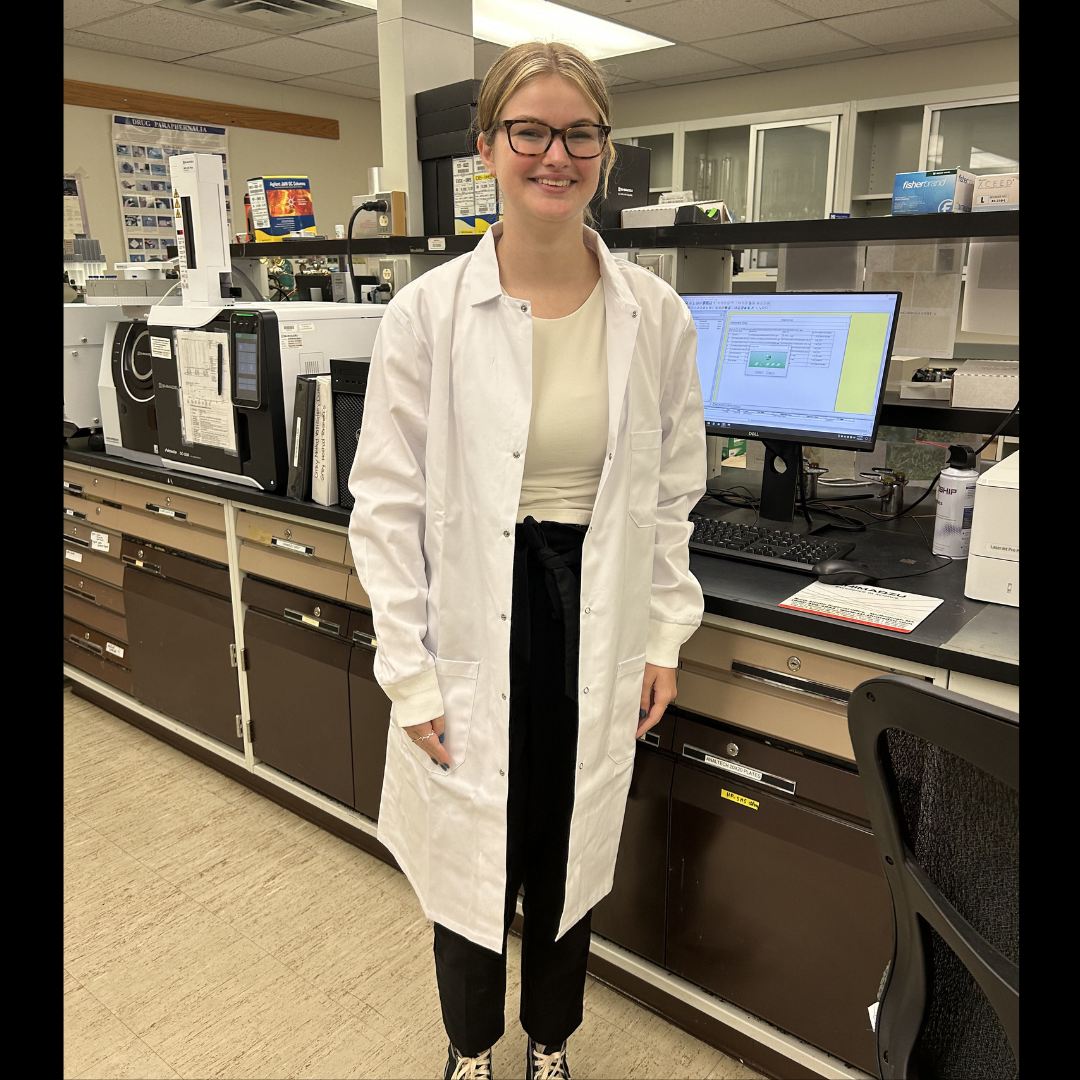
Hope Vonder Brink is a forensic chemist at the University of Massachusetts Chan Medical School Drugs of Abuse Laboratory. Her job involves testing drugs and other suspected illegal substances seized by the police departments of Worcester County in Massachusetts.
DOITFORJACK spoke with Ms. Vonder Brink about her job and the kinds of illegal and counterfeit drugs she sees on a daily basis.
Q: What does a typical day look like for you as a forensic chemist?
A: On an average day, I review any data from the previous day as needed and then open cases and sample. That process first involves retrieving a batch of cases from our vault and checking our tracking software to verify the case information is correct. Then I open the outermost container of the case, leaving the individual items sealed, and examine all items visually before determining how I’m going to sample the case.
Typically, I work sequentially, starting with item 001 and working my way down. Occasionally, I go out of order if one item is bigger than another and I think I might need to consider Massachusetts’s drug trafficking thresholds, which are based on weight.
In a non-trafficking case, I open each item one at a time and perform a closer visual examination to determine what type of testing needs to be done. For example, if I open a bag of white powder and it has a shiny quality to it, that’s indicative of the presence of cocaine. That calls for performing crystal tests under the microscope that I wouldn’t do to a dull or colored powder.
All samples, regardless of appearance, are weighed before any testing and are eventually tested on the Gas-Chromatograph/Mass Spectrometer. The GC/MS analyzes the sample and produces a “fingerprint” of whatever is inside of the sample that I compare with our certified reference materials. All samples undergo two separate tests before an official identification can be made.
Once I review all of my case data, I sign off on it and give it to another chemist to review. Once the technical review stage is complete, the case is administratively reviewed by another staff member and notarized to be released to the submitting agency. I then return the evidence and start the process all over again! I don’t typically finish cases within a day, but I’m usually doing a combination of all of this on a standard day.
Q. On average, how often do you and your colleagues test drugs that are or contain fentanyl?
A: It does depend on what cases I’m doing, but I’d say I usually encounter at least one case with fentanyl in it per batch of cases. I usually do 10 cases in a batch and complete a batch every week or two depending on the size of the cases. In my experience, I see cocaine the most often, with fentanyl being my second most seen drug.
Q: What forms of drugs do you find fentanyl in?
A: I’ve found fentanyl in pretty much any form. Colored powders, especially purple and tan, are the most common. I’ve also found it in counterfeit pills, on papers mailed to prisoners, in rock-like chunks, inside small stamped paper bags, and soaked into cotton balls.
Q: Can the average person tell if a pill or recreational drug contains fentanyl?
A: No, they cannot. Even I can’t tell for certain if something contains fentanyl based on appearance alone. My colleagues and I are continually surprised by new drug material we receive and what it contains. There is no standard appearance to it, and it’s hidden in so many drugs in such small, yet potent, quantities that are invisible to the naked eye.
Q: What would you tell someone who’s considering buying Xanax, Percocet etc or recreational drugs from social media or on the street?
A: I would encourage them not to purchase any drugs from the street or online, even pills that look legitimate. Counterfeits are getting better and better, and it can be nearly impossible to tell a real pill from a fake one. I recently had a case where the counterfeit prescription pills looked so real that I almost expected them to be genuine, even knowing that type of pill is often counterfeit. They all turned out to be fentanyl.
If you’re having a problem, talk to your doctor and don’t self-medicate. Only obtain medications from legitimate pharmacies or licensed dispensaries— even vapes and marijuana can be laced with other drugs.
Share this.



Stay
informed
Get monthly updates on the fight against fentanyl poisoning, right to your inbox.